From Heartbreak to Harmony
Wines That Define a Coastal Frontier
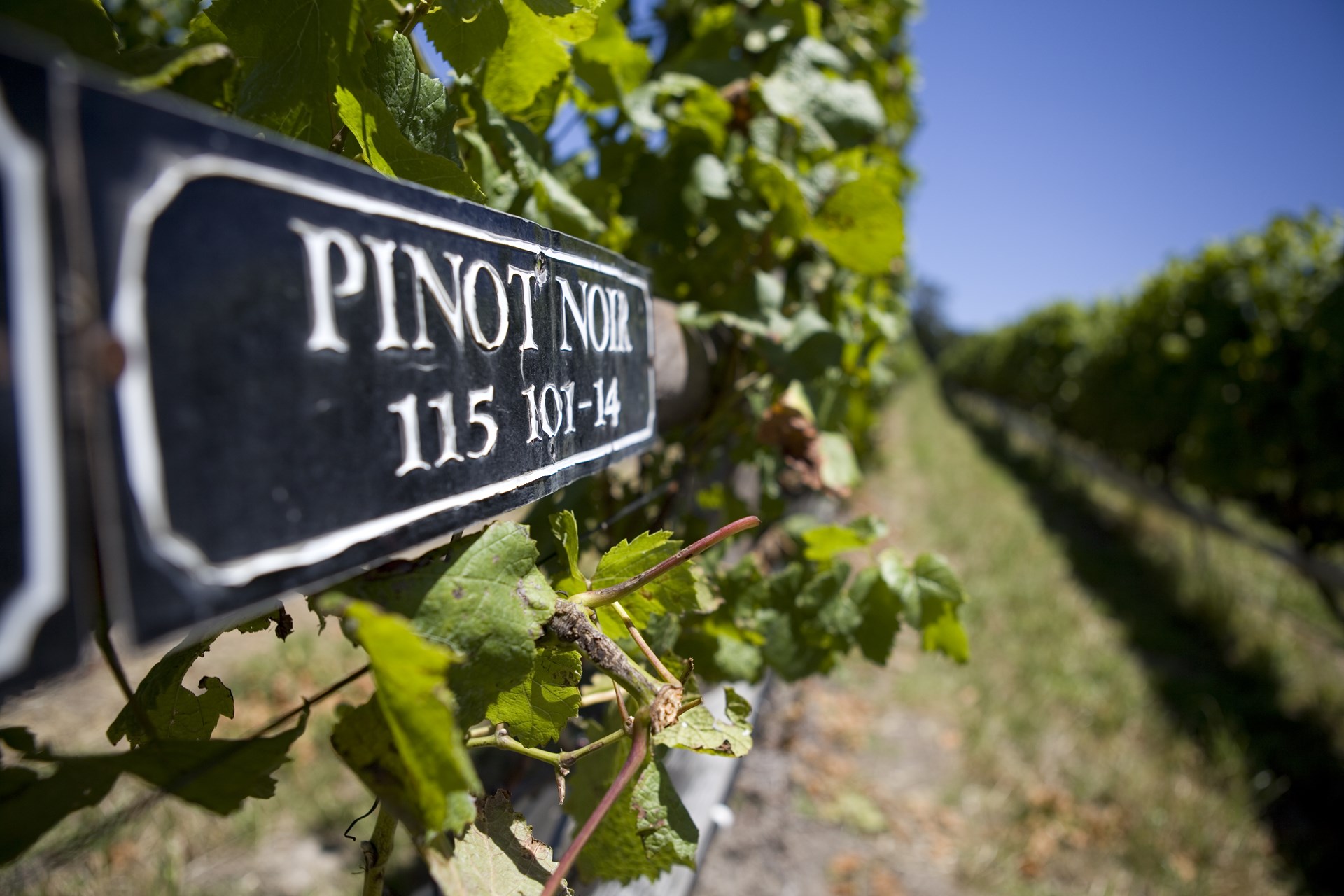
Every wine region has a signature story. In Plettenberg Bay, it begins with a gamble. Not with something easy or predictable but with Pinot Noir, a grape as revered as it is unforgiving. The kind of grape that has broken winemakers’ hearts across the world… and yet, when it works, produces wines of haunting beauty. It was the first red planted here. And in many ways, it still defines the spirit of the region.
Pinot Noir: The Beautiful Risk
There’s a reason Pinot Noir is often called the “wine of the gods.” It is not a grape that tolerates shortcuts. Thin-skinned, sensitive to site, and deeply expressive of its environment, Pinot Noir demands perfect balance: in climate, soil, and human touch.
Plettenberg Bay is not an easy home for Pinot Noir. Right on the edge of viability, the cool, maritime climate brings long ripening seasons, persistent coastal mist, and the ever-present risk of humidity and botrytis. Some years, the fruit simply doesn’t make it across the line. Entire harvests can be lost when the necessary ripening warmth doesn’t arrive. But this is the nature of Pinot Noir in marginal conditions, it demands everything, and sometimes gives nothing back.
And yet, when the season does come together, the wines carry a depth and honesty that only struggle can produce.
Here, Pinot Noir tends toward:
- Bright red cherry and wild strawberry
- Subtle earthiness and forest floor notes
- Fine tannins and lifted acidity
- A lightness of touch that carries complexity
It is not a heavy wine. Nor should it be. It is a wine that rewards attention. This is not a grape that suits convenience. It suits place.
Still and Sparkling: A Dual Role
What makes Pinot Noir exciting is its versatility. Not only does it produce refined still wines, but it is also a cornerstone of the region’s Cap Classique South Africa’s name for the traditional bottle-fermented sparkling wine.
In this role, Pinot Noir contributes:
- Structure and depth
- Red berry brightness
- Texture and longevity
Blended with Chardonnay, it helps create Cap Classiques that are crisp, precise, and quietly luxurious. A true reflection of Plett’s coastal identity.
A Broader Red Palette Emerges
While Pinot Noir may have been the pioneer, it is no longer alone.
A new generation of red varietals is finding its voice in Plettenberg Bay — not always as soloists, but as essential contributors to a deeper, more layered expression of the region. These are the grapes that bring structure, spice, and substance — the quiet backbone behind many of Plett’s most interesting wines.
Grenache
Generous yet finely tuned in this cooler setting, Grenache offers juicy red fruit, gentle spice, and a warming mid-palate. While it retains its natural brightness, in Plett it develops a slightly more savoury edge, making it an ideal blending partner and adding flesh and without overwhelming the wine.
Mourvèdre
This is where things start to deepen. Mourvèdre brings weight, grip, and a distinctly earthy, almost gamey character. It thrives in the long, moderate ripening season, contributing structure and longevity to blends. Think dark fruit, dried herbs, and a subtle wildness, the kind of component that gives a wine its backbone.
Carignan
Often underestimated, Carignan is proving quietly valuable. Its naturally high acidity and firm tannins bring lift and definition, cutting through richer components in a blend. There’s a rustic honesty to it: red berries, spice, and a slightly savoury finish that makes it particularly food-friendly.
Malbec
Malbec steps away from its heavier, more opulent expressions and becomes something far more composed. It still delivers dark fruit and depth, but with lifted aromatics, softer tannins, and a cleaner finish. It stands on its own yet also adds colour, richness, and a velvety texture to blends.
Shiraz
One of the standouts as a single varietal. Plett Shiraz holds onto its peppery spice and dark fruit core, but trades sheer power for precision and balance. The result is a wine with presence: layered, savoury, and structured yet still fresh and restrained. It’s a compelling expression of how this varietal adapts to a coastal climate.
Merlot
Another variety that performs confidently on its own. Merlot in this region offers plush dark fruit, soft tannins, and a rounded, generous palate, balanced by the natural freshness of the climate. It brings both approachability and depth, making it a natural bridge between lighter and more structured reds.
Blending: Where the Magic Happens
While Shiraz and Merlot often stand comfortably on their own, grapes like Grenache, Mourvèdre and Carignan truly come into their own in blends.
Here, they create wines that are:
- More textured
- More layered
- More complete
Each component plays a role: fruit, spice, structure, acidity – resulting in wines that feel considered rather than constructed.
Pinotage: A New Chapter
And then, perhaps most intriguingly, there is Pinotage.
South Africa’s own grape, traditionally associated with the hot Stellenbosch and Franschhoek regions, has now found its way into the cool-climate folds of Plettenberg Bay.
Here, it tells a different story.
Less bold and smoky, more refined and aromatic. More red fruit than black. More lift, less weight.
It is still early days, but Pinotage in Plett feels like a quiet revolution, a reimagining of something deeply South African through a coastal lens.
Plett, a Region Defined by Restraint
What ties all of these wines together is not power, but precision.
Plettenberg Bay’s reds are shaped by:
- Ocean-cooled vineyards
- Slower ripening seasons
- Natural acidity and balance
- A winemaking philosophy that favours elegance over extraction
These are wines that sit comfortably at the table. Wines that pair as easily with food as they do with conversation.
Why It Matters
In a global wine landscape often driven by intensity and scale, Plettenberg Bay offers something different:
- Small production
- Site-driven wines
- A sense of discovery
- And an authenticity that cannot be manufactured
This is not a region trying to imitate. It is a region quietly defining itself.
In the Glass
Pour a glass of Merlot as the light fades over the vineyards. Or a glass of Cap Classique with just a whisper of Pinot Noir in its blend.
Take a moment.
Because in Plettenberg Bay, red wine is not just about what’s in the glass – it’s about where it comes from. And how patiently it got there.